
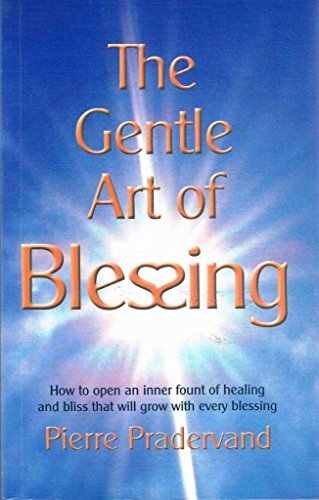
The author is Swiss. After a personal shift of career, he worked in education and development in several French-speaking African countries. He touches on the long history of personal and prayerful blessing, which is spread more widely than just among Christians He describes it as a simple way through which to love one’s neighbour, even though the acquaintanceship may be slight or brief. The consequences may, however, be far-reaching. The effects often benefit both the giver and the object of the blessing. Blessings should be disinterested and offered without calculation or expectation of particular result. They express our common humanity, solidarity and co-responsibility.
Blessing is, therefore, an activity in which people of all ages and abilities may engage, without special training, while following a long-established spiritual path. It is by definition the very opposite of cursing or blaming. Blessings recognize the divine element in every person, living or dead.
This note does not do justice to what Pierre Pradervand writes about God’s unconditional love for us.
Lord Hylton
October 2026